How often does a substation need maintenance?
There is no single interval: it depends on how important the installation is, on the environment and on the age of the equipment. The most common practice is one preventive maintenance a year, with a planned shutdown, and predictive inspections such as thermography and oil analysis between shutdowns. Brazilian standard NR-10 requires electrical installations to be kept in safe condition and protection systems to be inspected periodically.
Does the substation have to be switched off for maintenance?
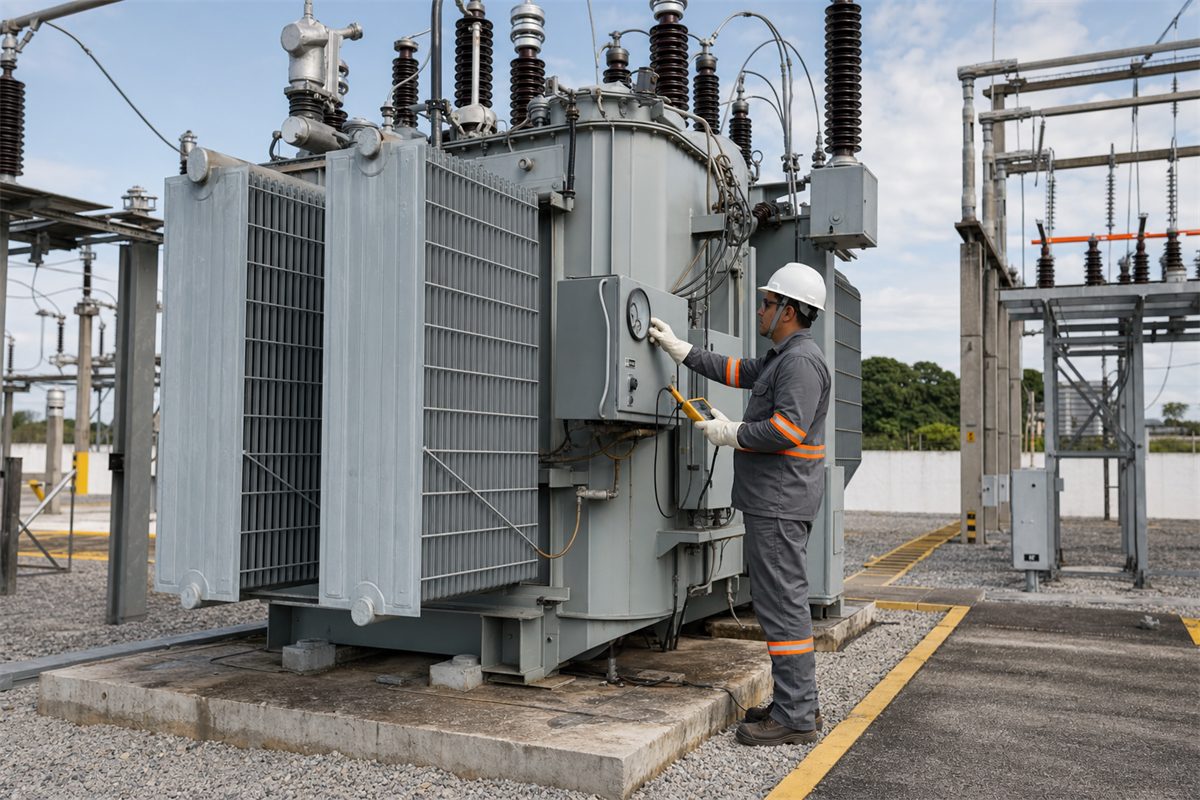
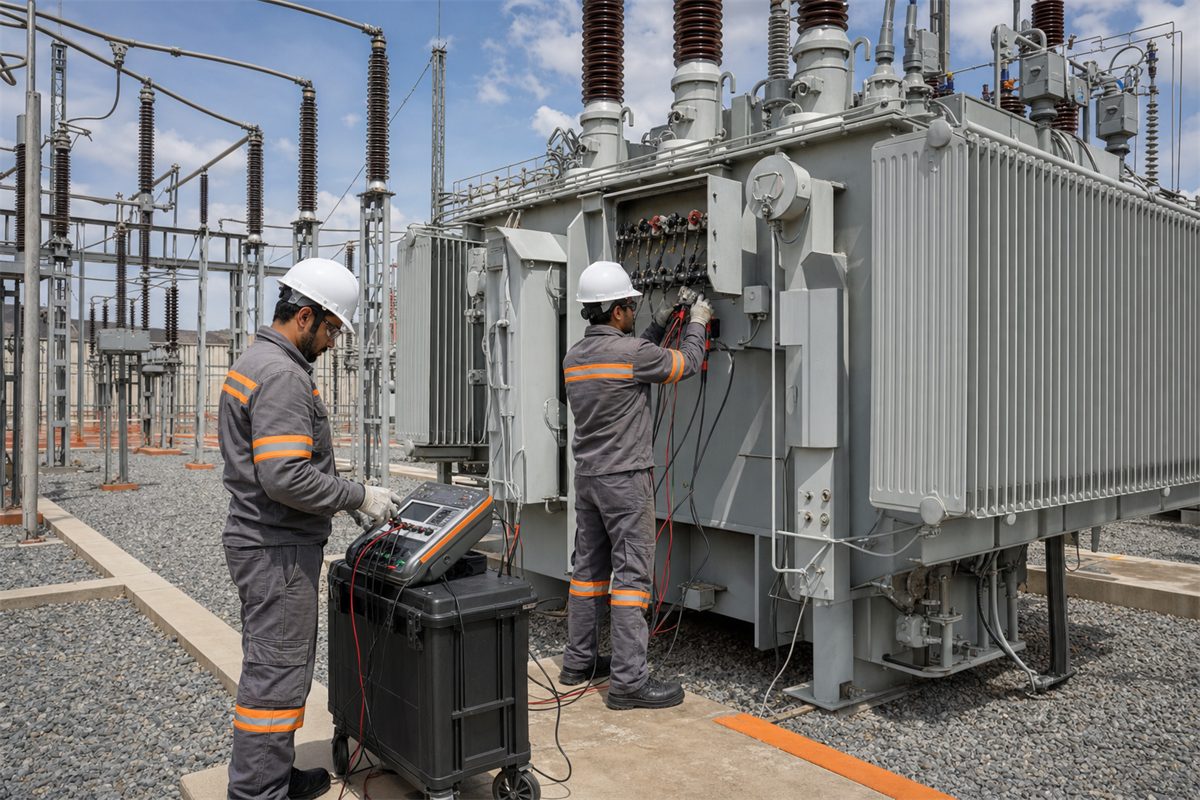
It depends on the job. Thermography, ultrasound and oil sampling are done with the substation energised. Cleaning, retightening and electrical tests require a shutdown, which can be planned for a weekend or a production stop.
What is the difference between predictive, preventive and corrective maintenance?
Predictive maintenance follows signs such as temperature and oil condition to point out the defect before the failure. Preventive maintenance is the planned overhaul, with cleaning, retightening, adjustments and tests. Corrective maintenance repairs or replaces what has failed, as a scheduled or an emergency job.
What does transformer oil analysis show?
The physicochemical analysis shows the condition of the oil itself, such as dielectric strength, water content and acidity. Dissolved gas analysis measures the gases in the oil, which point to overheating, partial discharges or arcing inside the transformer before any external sign appears.
What documents does NR-10 require for electrical installations?
In Brazil, sites with an installed load above 75 kW must keep an Electrical Installations Record (Prontuário de Instalações Elétricas) with up-to-date single-line diagrams, documentation of earthing and lightning protection inspections and measurements, and a technical inspection report with recommendations and a schedule of corrections. Maintenance records help keep this file up to date.
Does Power handle emergencies?
Yes. The technical emergency line is available 24 hours a day on +55 51 98413-9330, for failures and urgent interventions.